Architectural Design Expertise: Building Spaces That Motivate and Deliver
Architectural design services are essential for creating spaces that seamlessly blend inspiration with functionality. By addressing user needs and the intended purpose of each area, architects craft innovative layouts that enhance both flow and accessibility. Their dedication to aesthetics and sustainable practices ensures that designs align with current environmental standards. Yet, the primary challenge involves striking a balance between creativity and practicality. What strategies do architects employ to achieve this harmony? The answer may reveal deeper insights into the discipline.
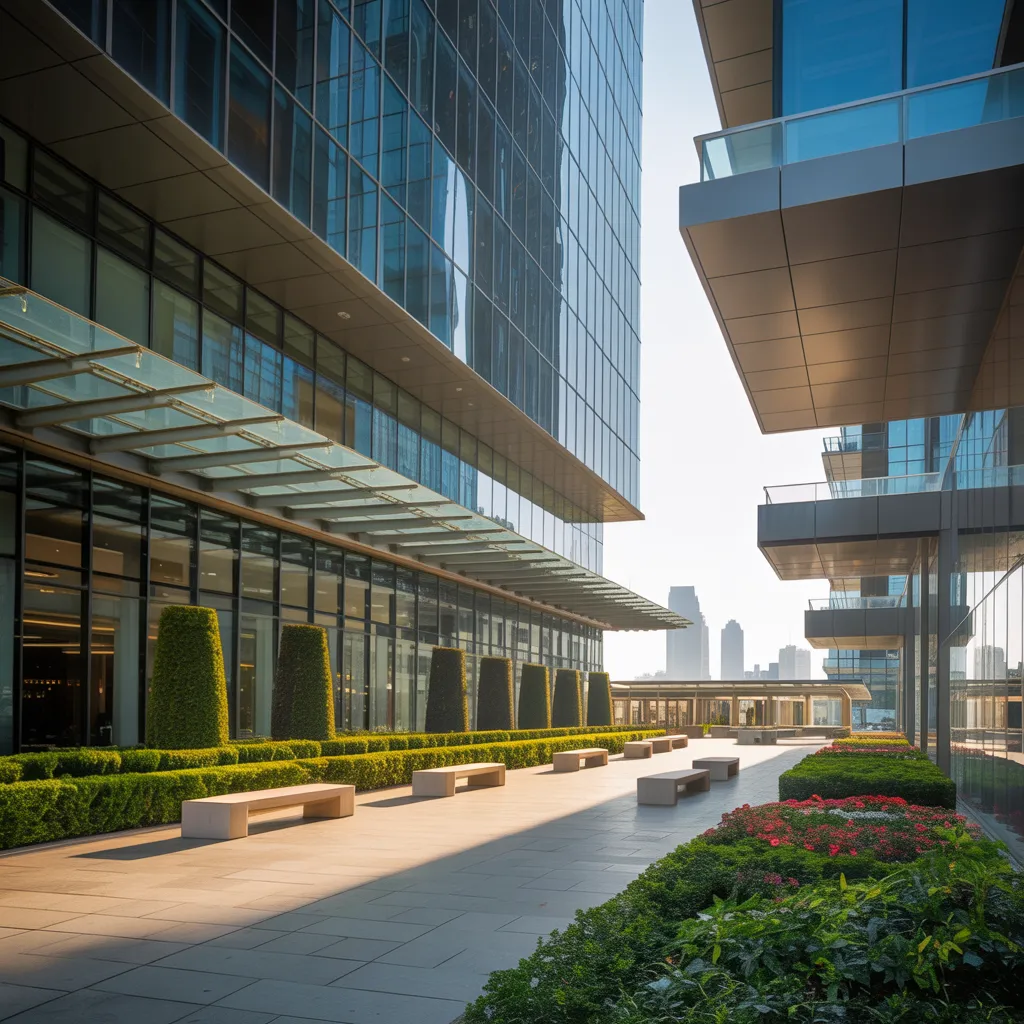
The Importance of Architects in Improving Space Functionality
Architects reimagine spaces by carefully examining how usability can be optimized through design. Their main goal centers on comprehending user requirements and the particular functions of a space. By performing detailed analyses, architects recognize critical obstacles and advantages within built environments. They evaluate elements including circulation, usability, and spatial connections to create layouts that promote efficiency.
Employing cutting-edge methods and resources, designers incorporate innovative solutions that enhance space usage. This encompasses the deliberate placement of furniture, walls, and corridors to support circulation and connectivity. Moreover, they adapt layouts to support various activities, guaranteeing that every space serves its intended function effectively.
Partnership with clients and key stakeholders additionally shapes design choices, empowering architects to tailor solutions that address client requirements. In the end, their proficiency not only improves the functional aspects of a space but also promotes a cohesive and functional atmosphere.
In What Ways Does Aesthetic Design Impact User Experience?
Visual design holds a significant place in shaping the user experience, enhancing the function developed professional tips through careful architectural planning. It shapes how individuals experience and engage with a space, evoking emotions that can elevate the overall experience. A carefully developed aesthetic can foster an inviting environment, encouraging users to engage more deeply with their space.
Elements including color, texture, and form combine to establish aesthetic balance, nurturing a perception of comfort and belonging. As an illustration, abundant light and spacious layouts can promote a sense of tranquility, while bold colors may stimulate and spark innovation. Additionally, a visually appealing design can strengthen brand recognition, making spaces memorable and encouraging repeat visits.
Fundamentally, the blending of aesthetic principles not only improves the aesthetic quality but also greatly influences individuals' mental and emotional perceptions, strengthening the vital bond between form and function in architectural practice.
Incorporating Sustainability in Architecture
Embedding sustainability within architecture is critical for confronting environmental challenges. This includes the thoughtful selection of sustainable materials, the implementation of energy-efficient design practices, and the pursuit of green building certifications. These factors not only improve the ecological impact of a project but also support long-term economic sustainability.
Environmentally Conscious Materials Selection
With the increasing demand for groundbreaking architectural concepts, the adoption of sustainable materials has become critical in reducing environmental impact. Architects are placing greater emphasis on materials that are recyclable, locally sourced, and renewable. This approach not only minimizes the transportation-related carbon footprint but also strengthens local economic growth. Resources like bamboo, reclaimed wood, and recycled metals are gaining popularity for their durability and aesthetic appeal. Furthermore, the incorporation of low-VOC paints and surface treatments supports healthier indoor air quality. By integrating sustainable materials into their designs, architects can create spaces that are not only functional and inspiring but also mindful of the environment, cultivating a sustainability-focused culture within the constructed environment.
Eco-Friendly Design Approaches
The combination of sustainable materials seamlessly supports energy-conscious design approaches in architecture. Such methods prioritize lowering energy demands while improving the comfort of building occupants. Building professionals commonly advocate for passive solar design principles, optimizing natural light and airflow to reduce dependence on mechanical systems. The careful arrangement of windows, shading features, and thermal mass can considerably decrease the need for heating and cooling. Additionally, incorporating high-performance insulation and energy-efficient HVAC systems allows buildings to preserve comfortable temperatures with minimal energy expenditure. Harnessing renewable energy solutions, including solar panels, further strengthens a building's environmental performance. At its core, energy-efficient design practices not only reduce environmental impact but also promote long-term cost savings, responding to the rising interest in thoughtful and progressive design solutions.
Green Construction Certifications
As sustainable architecture continues to gain momentum, green building certifications have become critical standards for assessing environmental performance. Certifications such as LEED, BREEAM, and the Living Building Challenge offer comprehensive frameworks for evaluating energy efficiency, water conservation, and materials sustainability. They motivate architects to implement cutting-edge design approaches that limit environmental impact while promoting occupant well-being. By satisfying rigorous standards, projects not only earn recognition but also secure a competitive advantage in the market. Furthermore, green certifications often lead to long-term cost savings through reduced energy consumption and operational efficiency. At their core, these certifications function as a directing framework for architects seeking to develop spaces that are both efficient and environmentally responsible, supporting a more sustainable future in the built environment.
How to Transform Your Architectural Ideas Into Reality
Converting architectural concepts into physical realities necessitates a well-organized process that merges creative vision with technical proficiency. The opening stage focuses on extensive research and ideation, in which architects draw inspiration from diverse influences, including nature, culture, and technology. This period commonly involves preliminary drawings and computer-generated models to illustrate the ideas.
After this step, working closely with engineers, contractors, and stakeholders is vital to refine ideas and guarantee feasibility. Creating comprehensive blueprints and specifications allows for exact execution during the construction phase. Architects must also manage local zoning laws and building codes, assuring conformity with applicable regulations.
During the entire process, effective communication is essential. Regular updates and feedback loops with all parties involved foster alignment and address potential issues early. Finally, the construction phase brings the vision to life, requiring ongoing oversight to maintain design integrity. Through the combination of creativity and structured approaches, architects are able to effectively convert their innovative concepts into functional and inspiring environments.
Balancing Creativity and Functionality in Architectural Design
Achieving a balance between creativity and functionality in architectural design necessitates a precise blending of aesthetic appeal and practical utility. Architects need to develop creative approaches that optimize space while keeping the design visually compelling. This equilibrium is essential for creating structures that are not only beautiful but also serve their intended purpose effectively.
Balancing Beauty and Functionality
Finding equilibrium between visual appeal and functionality is crucial in architectural planning. Designers must consider how visual elements can enhance functionality while guaranteeing that spaces fulfill their designated functions. This balance requires a careful methodology, merging structural elements, tones, and patterns that align with the surroundings and occupant requirements.
Essential functional aspects, such as sustainability, accessibility, and layout, should direct design decisions, preventing form from overshadowing function. Moreover, productive partnerships with clients and key stakeholders helps architects balance imaginative designs with functional necessities. By emphasizing both visual appeal and functional purpose, architects craft areas that motivate while addressing the realities of daily living. In the end, outstanding architectural achievement stems from a perfect marriage of artistic intent and structural purpose, yielding surroundings that are as inspiring as they are practical.
Creative Approaches for Space
In the domain of architectural design, groundbreaking spatial solutions prove to be a fundamental component in uniting artistic expression with functional purpose. Thoughtful design necessitates a sharp understanding of client requirements and surrounding conditions, empowering professionals to develop areas that are both aesthetically striking and operationally efficient. By incorporating modern innovations, green materials, and versatile arrangements, designers can optimize space usage while enhancing aesthetic appeal. Joint endeavors with stakeholders and cross-functional teams further guarantee that multiple insights lead to carefully crafted results. This equilibrium not only improves the overall experience but also nurtures a more meaningful bond between architectural structures and the people within them. At its core, the craft of architectural design resides in its power to convert ideas into concrete, practical spaces.
Emerging Trends in Architectural Design Services
Emerging trends in sustainable technology are redefining the direction of architecture and design. Architects increasingly integrate smart technologies into their architectural solutions, employing data-driven analytics and automation to enhance functionality and efficiency. Building Information Modeling has emerged as an industry standard, allowing for detailed visualization and effective collaboration throughout the entire project cycle.
Eco-friendly design approaches are increasingly coming to the forefront, with building professionals concentrating on low-energy materials and clean energy alternatives. The growing trend of biophilic design highlights the relationship between the natural world and constructed spaces, fostering improved health and enhanced efficiency.
Additionally, flexible and dynamic spaces are becoming highly desirable, catering to evolving needs and modern lifestyles. The increasing adoption of remote work has transformed residential and commercial architectural approaches, resulting in multifunctional environments that balance comfort with practicality. Taken together, these trends underscore a strong commitment to innovative, sustainable, and user-focused design in present-day architectural endeavors.
Choosing the Right Architectural Service for Your Needs
Given the increasing focus on forward-thinking and environmentally responsible design methods, selecting the right architectural service has become increasingly important for clients. This decision significantly influences the functionality, visual appeal, and general outcome of a project. Clients are advised to initially examine their unique needs, spanning residential, commercial, or institutional categories. Gaining clarity on the project's scope facilitates improved coordination with architectural firms that have expertise in those fields.
Following this, reviewing the company's body of work is essential. A varied range of finished works can demonstrate creative versatility. It is also important to take into account the company's sustainability practices, as sustainable methods are now considered industry standards.
Furthermore, communication style and responsiveness are important factors to consider. A strong collaborative relationship has the potential to produce better outcomes. Finally, reviewing client testimonials and seeking recommendations can provide valuable insights into the reliability and quality of service, ensuring that clients make an informed decision tailored to their unique requirements.
Common Questions and Answers
What Qualifications Should I Look for in an Architect?
When choosing an architect, one ought to focus on qualifications such as a degree in a relevant field, professional licensure, experience in desired project types, effective communication skills, creativity, and a portfolio that reflects work aligned with your personal vision.
What Is the Average Timeframe for the Architectural Design Process?
Architectural design usually spans a few months, depending on project complexity and scope. Aspects like design revisions, client feedback, and regulatory approvals can considerably affect the total timeline and project completion.
What Are the Typical Project Delivery Methods in Architecture?
Common methods for delivering projects in architectural practice include Design-Build, Design-Bid-Build, Integrated Project Delivery, and Construction Management at Risk. Each of these methods presents notable strengths, affecting timelines, costs, and collaboration among stakeholders across the entire project lifecycle.
How Do Architects Manage Zoning and Building Codes?
Architects handle building codes and zoning regulations through detailed research, cooperation with local authorities, and strict compliance with regulations. They verify all designs adhere to legal requirements while enhancing functionality and aesthetics suited to the intended purpose of the space.
Can Architects Help Out With Interior Design as Well?
Yes, architects can assist with interior design. Their professional background allows them to create cohesive environments that blend functionality and aesthetics, making certain that spaces not only fulfill structural requirements but also reflect the intended style and ambiance.